

PEA 600mg - 120 Film-Coated Tablets - Vegan | Fairvital
Fairvital PEA 600 mg provides palmitoylethanolamide (PEA), a naturally occurring fat-like compound, in a high-strength and practical film-coated tablet form. Each film-coated tablet contains 600 mg of palmitoylethanolamide. The pack contains 120 film-coated tablets.
€22.95
Bulk discount
| Quantity | Unit price | Base price |
|---|---|---|
| From 1 |
€22.95
|
€196.15 / kg |
| From 2 |
€21.95
-4.36%
|
€187.61 / kg |
| From 4 |
€20.95
-8.71%
|
€179.06 / kg |
| From 6 |
€19.95
-13.07%
|
€170.51 / kg |


You may be interested in:
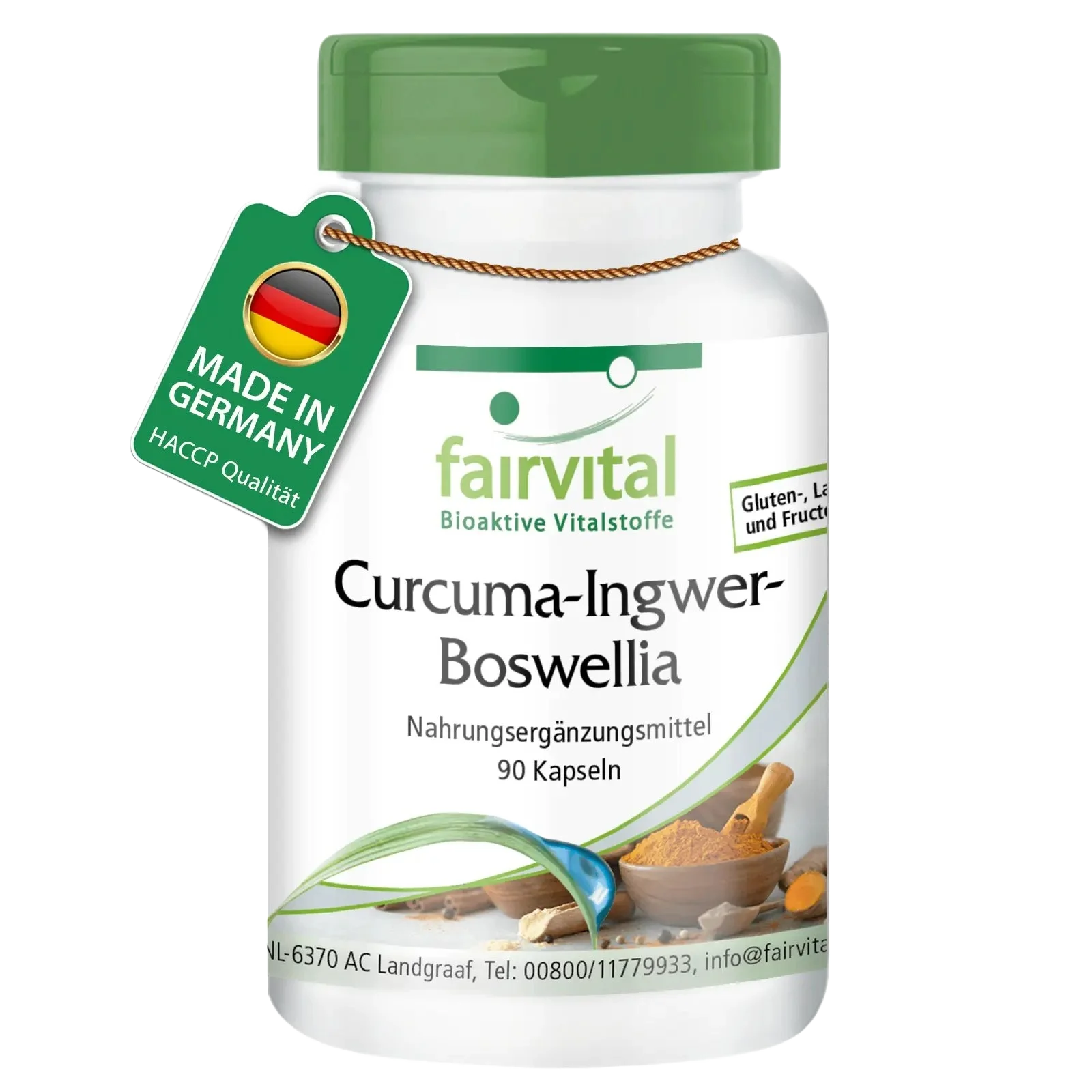

Valuable omega fatty acids in a practical form
Omega-3 Capsules from 500mg Fish Oil – 90 Softgels€13.95 €228.69 / kg

Combinations that make sense
Products designed to complement each other.
Well-absorbed forms
Nutrients in carefully selected compounds.
Selected raw materials
Clearly declared and transparently dosed.
Made with care
Produced and tested to fixed quality standards.

- Vegan
- Glutenfrei
- Laktosefrei
- Fruktosefrei
- Sojafrei
- Nussfrei
- Hefefrei
- Gelatinefrei
- Ohne zusatzstoffe
- Ohne magnesiumstearat
- Hochdosiert
- Hohe bioverfuegbarkeit
- Made in germany
- Joints
- Fish-free
- Fructose free
- Lactose free
- Nut free
- Soy free
- Vegan
- Without additives
- Without gluten
- Film-coated tablets
- GTIN/EAN
- 8719214831974
- Manufacturer number
- 220690
- Weight
- 0.147 kg
- Dosage form
- Film-coated tablets
- Tablet dimensions
- 18x8mm
- Tablet shape
- Oblong
Fairvital PEA 600 mg provides palmitoylethanolamide (PEA), a naturally occurring fat-like compound, in a high-strength and practical film-coated tablet form. Each film-coated tablet contains 600 mg of palmitoylethanolamide. The deliberately reduced formula offers a straightforward way of supplementing the daily diet with this special compound.
What is palmitoylethanolamide? Palmitoylethanolamide, or PEA for short, belongs to the group of so-called fatty acid ethanolamides. These are fat-like compounds that occur naturally in the human body. PEA is produced by the body itself and is part of various natural biochemical processes.
Natural occurrence of PEA: Palmitoylethanolamide occurs not only in the human body but also in various foods. The compound was first studied scientifically in connection with natural food components. Supplementary intake in film-coated tablet form allows a clearly defined intake regardless of individual foods.
High-strength with 600 mg of PEA: Each film-coated tablet provides 600 mg of palmitoylethanolamide. Two film-coated tablets provide a total of 1200 mg of PEA. The clearly defined composition allows targeted supplementation of the daily diet with a consistent amount of this compound.
Deliberately reduced formula: The product contains palmitoylethanolamide and microcrystalline cellulose as a bulking agent. The simple composition does without unnecessary additives and combines the selected ingredient with a practical, easy-to-swallow dosage form.
Vegan quality from Germany: The vegan film-coated tablets are free from gluten, lactose and fructose and are manufactured in Germany to high quality and hygiene standards. The pack contains 120 film-coated tablets and thus offers a practical supply for regular food supplementation.
Fairvital PEA 600 mg gives you a high-strength food supplement with 600 mg of palmitoylethanolamide per film-coated tablet. This vegan formula combines a clearly defined dosage with a simple composition and can easily be integrated into the daily diet.
Note: Due to statutory requirements, we as a manufacturer of food supplements are not permitted to make statements about the effects of individual nutrients. We therefore recommend that you inform yourself independently on specialist portals on the internet or in naturopathic literature before placing an order.
PEA is particularly suitable for anyone who values a pleasant sense of well-being in their body, mobility and an active lifestyle, even on physically demanding days. Especially for people who consciously take care of their physical well-being and want to supplement their daily nutrition routine with selected compounds the body produces itself. At the recommended intake, the 120 film-coated tablets offer a practical supply for 60 days.
Palmitoylethanolamide, bulking agent microcrystalline cellulose
| Composition / Other ingredients | per 2 tablets |
|---|---|
| Palmitoylethanolamide | 1200mg |
Adults:
2 film-coated tablets daily, spread over meals,
with plenty of water.
Consumption
during pregnancy and lactation
after consultation with a doctor.
Palmitoylethanolamide (PEA) is a naturally occurring, fat-like compound that the human body can produce itself. It belongs to the group of so-called fatty acid ethanolamides and is found in various tissues of the body. Although PEA was described scientifically as early as the 1950s, the substance has attracted increasing attention in research, particularly in recent decades. PEA also occurs naturally in small amounts in foods such as egg yolk, soya beans and peanuts.
The role of PEA within the body's own cell communication is particularly interesting. The body uses numerous fat-like molecules to exchange information between cells and to coordinate different biological processes. PEA is one of these lipid compounds produced by the body and is studied in connection with cellular regulatory processes, among other things. The interplay of different cell types and the body's own messenger substances is a particular focus of scientific interest.
Chemically, palmitoylethanolamide is formed from the combination of palmitic acid and ethanolamine. Palmitic acid is a saturated fatty acid found in both vegetable and animal fats. PEA is also related to other fatty acid ethanolamides produced by the body, including anandamide, which belongs to the so-called endocannabinoid system. Unlike anandamide, however, PEA does not bind directly to the classic cannabinoid receptors CB1 and CB2 in a comparable way. Instead, it is being researched in connection with other cellular signalling pathways.
Another special feature is that PEA is not a classic vitamin, mineral or amino acid. Rather, it is an independent lipid compound produced by the body that differs significantly from the usual micronutrients. While vitamins and minerals mainly have to be obtained through the diet, the body can produce PEA itself. Additional intake via food supplements makes it possible to take palmitoylethanolamide in a precisely defined amount.
Login
You may be interested in:

Valuable omega fatty acids in a practical form
90 softgels
Regular price: €13.95 €228.69 / kg
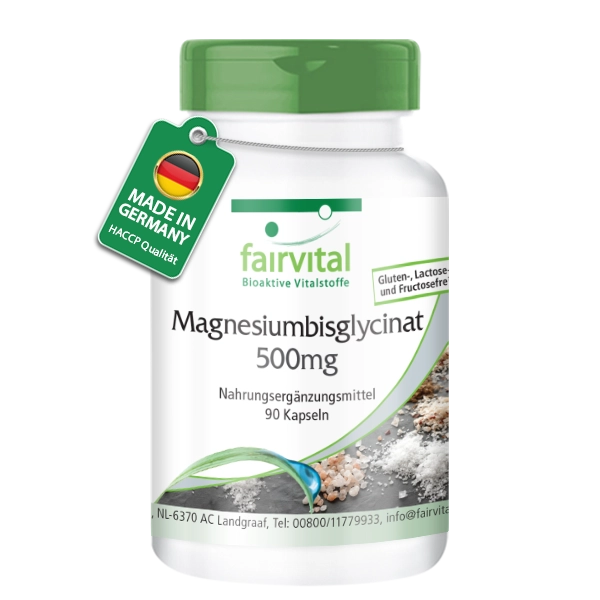
Magnesium bisglycinate for daily supplementation
90 capsules
Regular price: €17.95 €263.97 / kg

